Which Off-Piste Skis Should I Choose?
By Emilie Holm
20 August 2026
Updated 1
Which off-piste skis are right for you? We guide you through width, length, rocker, flex and bindings, helping you find the right pair for your ability level and skiing style.
There is no single pair of off-piste skis that is right for everyone. The best choice depends on your experience, how you like to ski and the snow conditions you encounter most often. Will the skis mainly be used for deep powder, mixed conditions or ski touring? And will they be your only pair, or an addition to your regular piste skis?
At DBP Adventures, we live and breathe life on the wide planks – a popular nickname for off-piste skis and the inspiration behind our original Danish name. We have therefore gathered the most important things to consider when choosing off-piste skis. This guide provides a useful starting point, whether you are buying your first pair or looking for new skis for your next off-piste adventure.
What Are Off-Piste Skis?
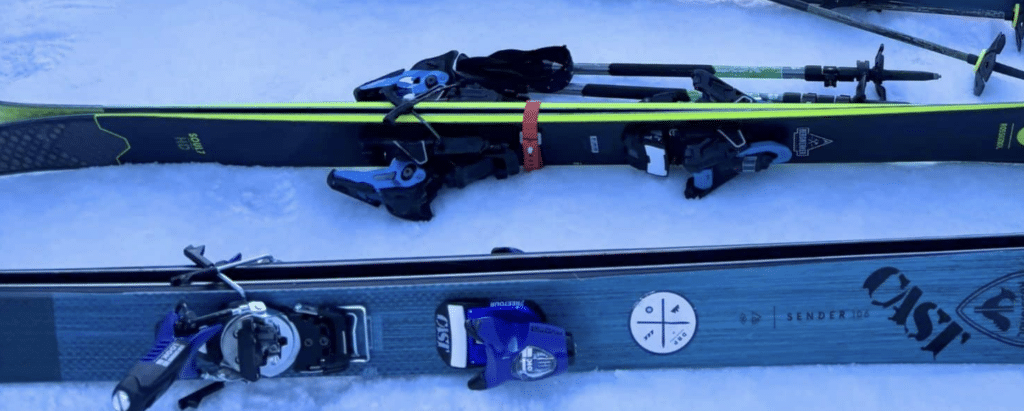
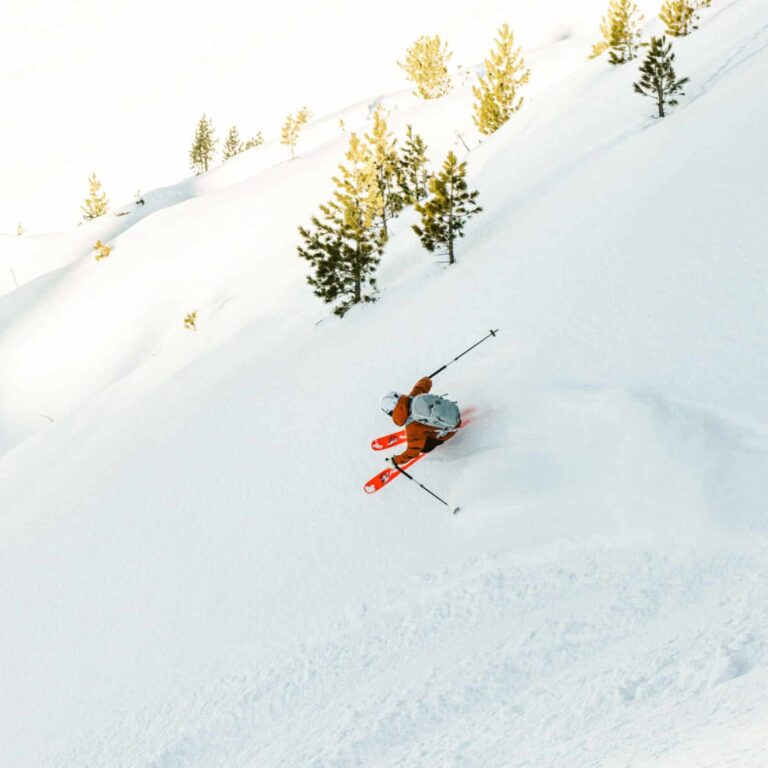
Off-piste skis, also known as freeride skis, are designed for skiing off-piste. They are generally wider than regular piste skis, giving them a larger surface area and better flotation in soft snow. Many models also feature rocker in the tip and sometimes in the tail, making it easier for the skis to float and turn in powder.
However, not all off-piste skis are the same. Some are designed for the deepest powder days, while others are more versatile and perform well in tracked snow, forests, couloirs and the sections of piste that are often part of an off-piste day.
How Wide Should Your Off-Piste Skis Be?
The width underfoot, also known as the waist width, has a major influence on how a ski feels. As a general rule, the wider the ski, the better it will float in deep snow. However, a very wide ski requires more effort when moving from edge to edge and may feel less precise on firm snow.
As a general guide, off-piste skis can be divided into the following categories:
- 90–100 mm: A versatile choice if you ski both on and off piste. These skis are relatively quick from edge to edge and perform well in mixed conditions, although they provide less flotation in very deep snow.
- 100–110 mm: The classic freeride width and a good compromise for many skiers. It provides good flotation in powder without making the skis too difficult to handle on firm or tracked snow.
- More than 110 mm: Wide powder skis designed for the deepest days. They provide maximum flotation in soft snow but are less versatile and can feel heavier and more demanding on firm surfaces.
If you only want one pair of skis for both piste and off-piste skiing, a model measuring around 95–105 mm underfoot is often a good place to start. If the skis will mainly be used for cat-skiing and deep powder, you may benefit from going wider.
Your ability level, weight and the rest of the ski’s construction also matter, so the waist measurement should never be considered on its own.
How Long Should Off-Piste Skis Be?
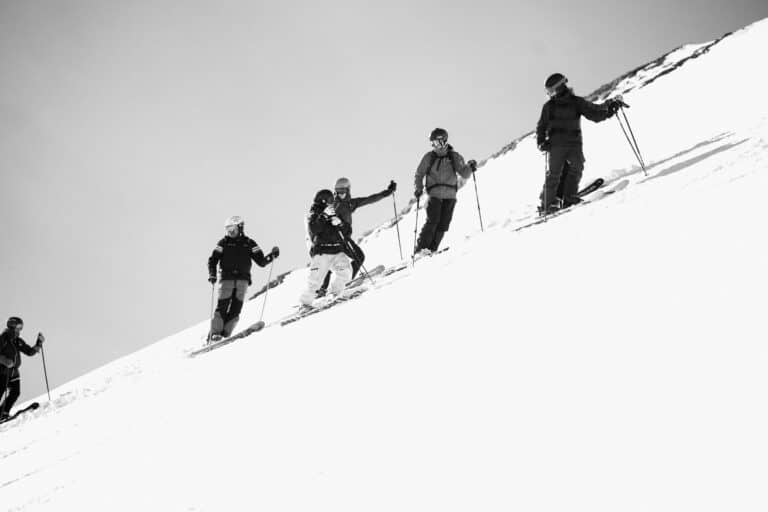
Off-piste skis are often chosen slightly longer than traditional piste skis. The additional length creates a larger surface area and therefore better flotation in soft snow. It also makes the ski more stable at higher speeds.
If you are an advanced or experienced skier, you can generally look for skis that are around your own height or up to 5–10 cm longer. If you are new to off-piste skiing, have a lighter build or prefer short, controlled turns, skis around your own height or slightly shorter may be easier to handle.
Rocker also affects how long a ski feels. When the tip and potentially the tail rise away from the snow earlier, the effective contact length becomes shorter. A ski with a significant amount of rocker can therefore be longer on paper without feeling difficult to control.
Use your height as a starting point, but also consider your weight, ability level, skiing style and the ski’s construction.
Rocker, Camber and Sidecut – What Does the Shape Mean?
When looking at off-piste skis, you will often come across the terms rocker, camber and sidecut. These describe the shape of the ski and have a significant influence on how it performs in different types of snow.
Rocker means that the tip of the ski – and, on some models, the tail – curves upwards earlier. This helps the ski float in powder and makes it easier to turn in soft and uneven snow. A lot of rocker usually creates a playful ski that is easy to pivot, but it also reduces the effective edge length on firm snow.
Camber is the traditional upward curve beneath the centre of the ski. When the ski is weighted during a turn, pressure is distributed along the edge. This provides edge grip, responsiveness and stability on firmer snow.
Many modern freeride skis combine camber underfoot with rocker in the tip and tail. This creates a versatile ski that can float in powder while still holding an edge when the snow becomes firmer.
Sidecut refers to the difference between the width of the ski at the tip, waist and tail. A more pronounced sidecut creates a shorter turning radius and encourages the ski to enter a carved turn. A straighter sidecut generally creates longer, more flowing turns and can feel calmer in soft snow.
How Stiff Should Your Off-Piste Skis Be?
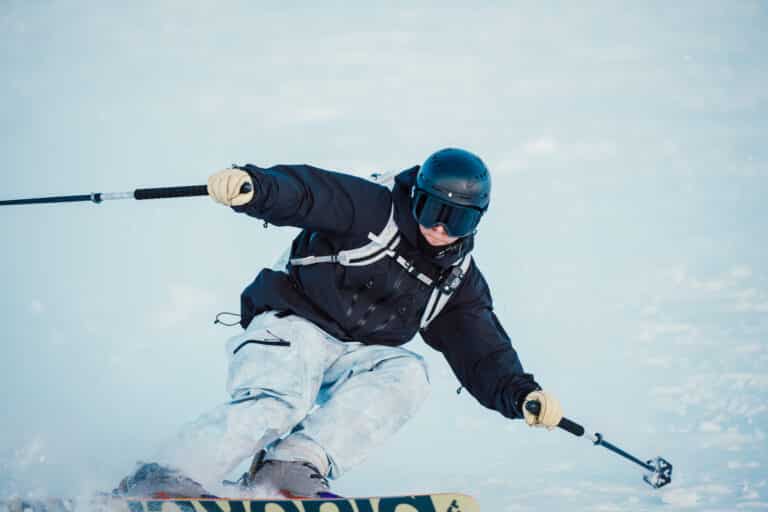
A ski’s flex describes how easily it bends. This affects both how forgiving the ski feels and how stable it is.
A softer ski is generally easier to turn and more forgiving at lower speeds. It can be a good choice if you are new to off-piste skiing, have a lighter build or prefer a playful skiing style.
A stiffer ski provides greater support and stability at speed and in tracked or uneven snow. However, it also requires more strength and better technique.
It is therefore too simplistic to choose flex based only on your ability level. Your weight and skiing style are equally important. A heavier or very aggressive skier will often benefit from a stiffer construction, while a lighter skier may find the same model unnecessarily demanding.
Will the Skis Be Used for Lift Access, Cat-Skiing or Touring?
The descent is not the only factor that determines which skis you should choose. How you get up the mountain is equally important.
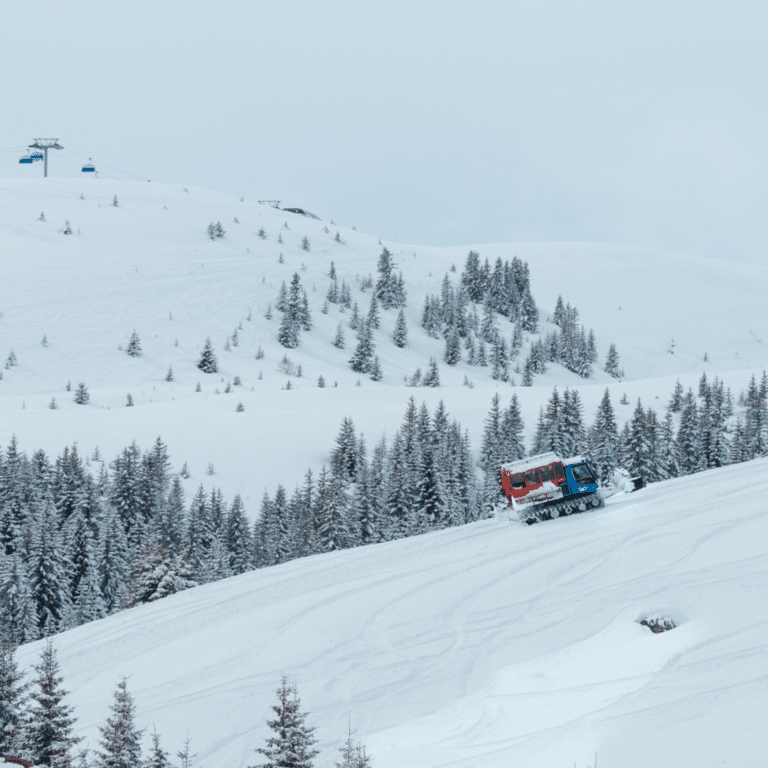
If you mainly ski lift-accessed off-piste terrain or go cat-skiing, weight does not need to be your highest priority. A slightly heavier and more dampened ski can provide additional stability, control and confidence on the descent.
If you plan to climb significant amounts of vertical with skins beneath your skis, weight becomes much more important. A lightweight touring ski saves energy on the ascent, but very light models may feel less damp and stable at high speed or in uneven snow.
For a combination of ski touring and freeride skiing, it is therefore about finding the right balance between low weight on the ascent and good downhill performance.
Also consider whether you will realistically go on long tours or mainly want the option of a short climb from the lift. This will help you avoid choosing a compromise that does not suit the way you actually ski.
Choose Bindings That Suit How You Ski
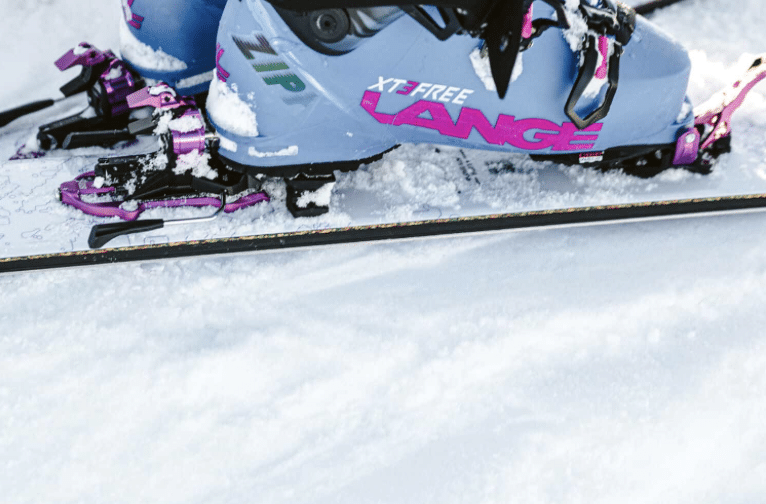
The skis and bindings should be considered as one complete setup. For lift-accessed off-piste skiing, a traditional alpine binding will often provide the most direct power transfer and a solid feel on the descent.
For ski touring, you can choose lightweight pin bindings that prioritise low weight and efficiency on the ascent. There are also hybrid bindings that combine touring functionality with a more alpine feel on the way down.
The right choice depends on how far you plan to tour, how aggressively you ski and which boots you use.
The binding’s release value, also known as its DIN setting, must be appropriate for factors including your weight, height, boot-sole length, age, ability level and any previous injuries. Always ask a qualified professional to mount and adjust your bindings.
Match the Skis to Your Ability Level and Skiing Style
The widest and stiffest ski is not automatically the best. In fact, a very demanding ski can make it more difficult to improve your technique and may tire your legs long before the final run of the day.
If you are new to off-piste skiing, a versatile ski measuring around 95–105 mm underfoot, with moderate rocker and a forgiving flex, will often be easier to learn on. It will help you in soft snow while remaining manageable when the conditions change.
If you are more experienced and spend most of your day away from the piste, you can choose additional width, length and a stiffer construction. This provides greater flotation and stability as your speed increases – but only if you have the technique and strength to make use of it.
Also consider whether you prefer short, playful turns between the trees or fast, sweeping lines in open terrain. The best ski is the one that matches the way you want to move through the mountains.
Try the Skis Before You Buy
Specifications can tell you a lot, but not everything. Two skis with the same width and length can feel completely different because of their rocker profile, flex, weight and construction.
If possible, rent or test several models in conditions similar to those in which you normally ski. Notice how easily the skis turn, whether they feel stable at speed and how much energy they require over a full day.
That experience is often more valuable than comparing another set of figures on a screen.
Remember Off-Piste Safety
The right skis can make skiing more enjoyable, but they do not make off-piste terrain safe. Whenever you leave controlled terrain, you must carry an avalanche transceiver, shovel and probe – and know how to use them. You must also understand the avalanche forecast, the terrain and the conditions on the day.
If you are new to off-piste skiing, we recommend heading out with a qualified guide or instructor and gaining the necessary knowledge and training. Safety is always our highest priority on every DBP off-piste trip.
Ready to Find Your Off-piste Skis?
When choosing off-piste skis, your first consideration should be where and how you will actually use them. Width and rocker provide flotation in powder, while length and flex affect stability and control. Weight and bindings become particularly important if you plan to climb with your skis.
There is no single perfect pair for every ski day. But there is a pair that matches your ability level, skiing style and adventures.
Use this guide as a starting point, ask for advice at a specialist ski shop and, if possible, try the skis before making your decision.
And if you need somewhere to test them in their natural element, explore all our off-piste trips.
See all our off-piste trips or explore the trips we recommend if you are new to off-piste skiing: Freeride First Step.